Your personal vehicle is likely one of your largest monthly expenses. Between car notes, insurance premiums, regular maintenance, and fuel, maintaining a car demands continuous cash outflow. However, with the rise of the gig economy and on-demand mobility platforms, that same depreciating asset can become a reliable income engine.
Whether you prefer chauffeuring passengers, dropping off takeout orders, hauling heavy home goods, running scheduled courier routes, or renting out your vehicle while you sleep, there is an app built for your schedule and vehicle type.
Below is an exhaustive, practical breakdown of the 26 best driving apps to make money with your car, categorized by earning model, with clickable platform links, honest pay expectations, pros and cons, and strategies to maximize your take-home profits.
Quick Comparison: Top Driving Income Categories
| Category | Typical Gross Earnings | Physical Effort | Mileage / Wear | Best For |
| 1. Rideshare & Taxi | $18 – $35 / hr | Low | High | Social drivers, peak-commute availability |
| 2. Food Delivery | $15 – $25 / hr | Low to Moderate | Moderate | Solo workers, lunch & dinner availability |
| 3. Grocery & Retail | $16 – $28 / hr | Moderate | Low to Moderate | Detailed shoppers, flexible pacing |
| 4. Package & Courier | $18 – $30 / hr | Moderate | Moderate to High | Structured blocks, predictable earnings |
| 5. Heavy Hauling & Moving | $30 – $80+ / hr | High (Heavy lifting) | Low | Truck/Van/SUV owners, physical strength |
| 6. Specialized Transport | $22 – $40 / hr | Low | Moderate | Childcare pros, medical transport |
| 7. Car Sharing & Ads | $100 – $1,000+ / mo | None (Passive) | Low (or Normal) | Low-mileage owners, daily commuters |
Category 1: Traditional Rideshare & Passenger Apps
Ridesharing remains the most liquid, high-volume segment of the driving economy. If you enjoy customer service, know your city’s traffic patterns, and do not mind hosting passengers, these platforms offer the fastest routes to daily payouts.
1. Uber
Uber is the undisputed global benchmark for rideshare services. Operating in thousands of cities across the world, Uber gives drivers immediate access to an enormous passenger base. Drivers can pick up riders across tiers—such as UberX, UberXL, Comfort, or Black—depending on the vehicle’s year, make, and seating capacity.
-
Typical Earnings: $18 – $32 per hour (gross).
-
Requirements: 4-door vehicle (typically 15 years old or newer depending on city), valid driver’s license, clean background check, valid personal auto insurance.
-
Pros: Highest ride volume in the industry; seamless toggling between rideshare and food delivery (Uber Eats); Instant Cash Out up to 5 times daily.
-
Cons: High vehicle depreciation; driver saturation in major metropolitan areas; variable platform commission rates.
2. Lyft
As the primary rival to Uber in North America, Lyft provides an identical point-to-point passenger experience with distinct driver incentives. Lyft regularly offers “Streak Bonuses” (extra pay for completing 3–5 consecutive rides) and localized “Bonus Zones” during high-demand surges.
-
Typical Earnings: $18 – $30 per hour (gross).
-
Requirements: 4-door vehicle, age 21 or older (varies by region), clean driving record, vehicle inspection certificate.
-
Pros: Drivers keep 100% of tips; user-friendly app interface; predictable streak challenges.
-
Cons: Lower market share than Uber in smaller suburban and rural markets; sudden changes to upfront fare calculations.
3. Curb
Curb bridges the gap between conventional municipal taxi fleets and modern app dispatch. Geared toward licensed taxi and livery drivers, Curb lets professional drivers accept e-hails and corporate rides, often yielding more consistent baseline rates than algorithmic pricing models.
-
Typical Earnings: $22 – $35 per hour (gross).
-
Requirements: Professional taxi/for-hire license, commercial vehicle registration, regional transit permits.
-
Pros: Steady corporate accounts and airport dispatch queues; less reliance on consumer tip volatility.
-
Cons: Limited exclusively to licensed commercial/taxi operators; not accessible to casual passenger-car drivers in most regions.
4. inDrive
inDrive operates on a unique peer-to-peer bidding system. Rather than having an algorithm assign prices, passengers submit what they are willing to pay for a route, and drivers can accept the offer, reject it outright, or counter-bid with their desired rate before rolling the wheels.
-
Typical Earnings: $17 – $28 per hour (gross).
-
Requirements: Standard sedan/hatchback in clean working condition, active driver’s license, background check.
-
Pros: Complete transparency on trip payment prior to acceptance; lower platform commission fees compared to major competitors.
-
Cons: Smaller footprint in the United States; requires active negotiation, which can slow down dispatch cadence.
Category 2: Food & Restaurant Delivery Apps
Food delivery is well-suited for introverts, students, and drivers who want complete privacy inside their cabins. You never have to worry about cleaning up after unruly passengers or managing awkward small talk.
5. DoorDash
Holding dominant market share in the US food delivery landscape, DoorDash (and its drivers, known as “Dashers”) delivers food from national chains, local restaurants, convenience stores, and florists. Dashers can schedule shifts ahead of time or tap “Dash Now” in active busy zones.
-
Typical Earnings: $15 – $25 per hour (gross).
-
Requirements: Any working car, scooter, or bicycle; age 18+; valid driver’s license and insurance; clean criminal history.
-
Pros: Massive order volume across suburban and urban zones; “Top Dasher” priority perks; upfront pay and tip previews.
-
Cons: Restaurant wait times can lower hourly averages; constant parking challenges in dense downtown environments.
6. Uber Eats
Operating directly on the unified Uber Driver platform, Uber Eats lets drivers accept on-demand food drop-offs. Drivers can choose to run exclusively as food couriers or toggle passenger rides on and off depending on traffic conditions and meal rushes.
-
Typical Earnings: $15 – $24 per hour (gross).
-
Requirements: 2-door or 4-door vehicle (typically 1998 or newer for deliveries), age 19+, valid license, and insurance.
-
Pros: Seamless ecosystem with Uber; automatic batching of multi-restaurant orders; transparent navigation.
-
Cons: Customers can adjust tips up to one hour after delivery; slower order velocity outside standard meal hours.
7. Grubhub
Grubhub connects independent drivers with a network of over 100,000 local eateries and national chains. Drivers can reserve scheduled “delivery blocks” to gain higher priority for incoming orders or drive on-demand.
-
Typical Earnings: $14 – $22 per hour (gross).
-
Requirements: Reliable car, valid driver’s license and insurance, clean record, smartphone (iOS or Android).
-
Pros: Guaranteed hourly minimum in select markets if you complete scheduled blocks with high acceptance rates.
-
Cons: Penalties for dropping scheduled blocks; strict acceptance rate criteria to maintain top driver tiers.
8. Delivery.com
Delivery.com handles local on-demand orders across restaurants, liquor stores, grocers, and commercial dry cleaners. Because ticket sizes for catering and liquor can be substantial, drivers frequently see higher per-order tip percentages.
-
Typical Earnings: $14 – $20 per hour (gross).
-
Requirements: Valid vehicle, driver’s license, smartphone, age 18+ (age 21+ for alcohol handling).
-
Pros: Diverse order types beyond fast food; higher average order totals for catering runs.
-
Cons: Concentrated in specific metro areas; lower overall order volume compared to DoorDash.
Category 3: Grocery Shopping & Retail Essentials
Grocery gig apps combine driving with in-store shopping. While these tasks require more manual effort—navigating aisles, weighing produce, scanning barcodes, and lifting bags—they often pay substantially more per individual batch than fast-food drop-offs.
9. Instacart
Instacart full-service shoppers accept batches through the app, navigate grocery stores, hand-select items, communicate replacements with customers in real time, and deliver groceries directly to homes.
-
Typical Earnings: $16 – $28 per hour (gross).
-
Requirements: Reliable vehicle, ability to lift 40+ lbs, background clearance, smartphone with camera for scanning barcodes.
-
Pros: Clear visibility of item counts, distances, and tips before accepting a batch; fewer total driving miles per dollar earned.
-
Cons: Out-of-stock grocery items demand time-consuming customer communication; heavy physical exertion during multi-pack water deliveries.
10. Shipt
A subsidiary of Target Corporation, Shipt dispatches orders from Target, Meijer, Costco, CVS, and regional supermarket chains. Shipt prioritizes strong customer communication, and frequent shoppers can earn “Preferred Shopper” status with regular clients to secure steady tips.
-
Typical Earnings: $15 – $25 per hour (gross).
-
Requirements: Age 18+, reliable vehicle (1997 or newer), ability to lift 45 lbs, valid driver’s license and auto insurance.
-
Pros: Preferred Shopper matching system drives consistent recurring tips; less frantic pace than restaurant delivery.
-
Cons: Tips are frequently added post-delivery, making initial base pay appear modest; strict on-time delivery ratings.
11. Walmart Spark
Spark Driver provides delivery and shopping fulfillment services for Walmart, Sam’s Club, and partner retail hubs. Drivers can take curbside pickup orders (where store staff load your trunk) or “Shop & Deliver” orders where you pick items from the store yourself.
-
Typical Earnings: $17 – $28 per hour (gross).
-
Requirements: 4-door vehicle, background screening, valid insurance, smartphone.
-
Pros: Massive national coverage across smaller towns and suburban communities; multi-order batch routes can offer high payouts.
-
Cons: Curbside pickup wait times can lag significantly during holiday seasons; bulk cases of water and oversized merchandise are common.
12. Gopuff
Unlike Instacart or DoorDash, Gopuff operates out of its own dedicated micro-fulfillment centers. Delivery partners drive to a central warehouse, receive packed orders containing snacks, beverages, and household goods, and deliver them locally.
-
Typical Earnings: $14 – $22 per hour (gross).
-
Requirements: Age 21+ (due to alcohol/tobacco inventory), reliable vehicle, clean driving history.
-
Pros: No in-store grocery shopping or long restaurant waits; drivers return to the same hub after each round of deliveries.
-
Cons: Hourly rates fluctuate with order density; late-night shifts account for the highest volume.
Category 4: Package, E-Commerce & Last-Mile Delivery
If you prefer fixed schedules, guaranteed hourly rates, and predictable delivery routes with zero customer interactions, last-mile parcel logistics is an ideal segment.
13. Amazon Flex
Amazon Flex lets independent drivers deliver packages from Amazon logistics hubs, Prime Now stations, and Whole Foods Market using their personal vehicles. Drivers reserve predetermined delivery shifts called “Blocks” (typically lasting 2 to 5 hours).
-
Typical Earnings: $18 – $26 per hour / block-hour (base rates rise during weather surges or holidays).
-
Requirements: Mid-size sedan, SUV, or van (4-door required); age 21+; clean driving record; background check.
-
Pros: Guaranteed pay for the entire block even if you finish your route early; no food handling or hot-bag maintenance.
-
Cons: Competitive block claiming process; heavy vehicle loading; apartment complex package deliveries can be tedious.
14. Roadie
Acquired by UPS, Roadie is an on-the-way delivery platform that dispatches local and long-distance deliveries. Gigs range from small retail purchases (Home Depot, Best Buy) to lost airline luggage from regional airports and cross-state equipment transport.
-
Typical Earnings: $15 – $30 per local gig (long-distance hauls can pay $200 – $650+).
-
Requirements: Valid driver’s license, vehicle with valid registration, background check.
-
Pros: Exceptional for pairing with trips you are already taking (road trips, airport commutes); wide variety of cargo sizes.
-
Cons: Work is sporadic and spread out; long-distance runs require substantial return-trip planning to stay profitable.
15. Curri
Curri connects drivers of all vehicle classes—from sedans and pickup trucks to flatbed commercial rigs—with construction suppliers, plumbing distributors, and industrial warehouses.
-
Typical Earnings: $22 – $45+ per hour (depending heavily on vehicle capacity).
-
Requirements: Driver’s license, background check, vehicle inspection, cargo tie-downs/straps for trucks.
-
Pros: B2B commercial transport eliminates retail customer friction; high per-job payouts for large vehicles.
-
Cons: Higher demand for large trucks and cargo vans than compact cars; heavy industrial cargo requires careful loading.
16. AxleHire
AxleHire specializes in expedited last-mile delivery services for e-commerce, meal subscription kits, and consumer goods in dense metro markets. Drivers reserve scheduled route windows and scan packages along optimized transit sequences.
-
Typical Earnings: $18 – $25 per hour.
-
Requirements: 4-door vehicle, smartphone, clean driving history, physical capability to load multiple parcels.
-
Pros: Structured routing sequences; predictable route start and end times.
-
Cons: Limited exclusively to select major US metropolitan hubs; strict window penalties for delayed drop-offs.
17. CitizenShipper
CitizenShipper is an open transport marketplace where drivers bid directly on custom transport jobs. Jobs include cross-country pet transportation, classic car parts, motorcycles, and fragile estate items.
-
Typical Earnings: $500 – $2,000+ per multi-day long-haul route.
-
Requirements: Valid driver’s license, reliable long-distance vehicle, background vetting, USDA pet handling registration (if transporting animals).
-
Pros: Drivers set their own rates and bid directly with consumers; ideal for cross-country travelers and van-lifers.
-
Cons: Requires active customer sales communication; extensive out-of-pocket travel expenses upfront (hotels, tolls, fuel).
Category 5: Heavy Hauling & Moving Platforms
If you operate a pickup truck, full-size SUV, cargo van, or box truck, you can command premium hourly rates by fulfilling local moving and heavy pickup jobs.
18. GoShare
GoShare acts as an on-demand freight and moving network connecting truck and van drivers with commercial retailers and residential customers who need help transporting bulky merchandise (e.g., lumber, large appliances, furniture).
-
Typical Earnings: $35 – $70+ per hour (sedans average ~$25/hr; box trucks and large cargo vans can exceed $100/hr).
-
Requirements: Vehicle must be model year 2004 or newer; pass a 21-point vehicle inspection; pass background and driving checks; ability to lift up to 75 lbs.
-
Pros: Highest hourly earnings in the gig economy; comprehensive cargo insurance provided by the platform.
-
Cons: High physical exertion; requires straps, dollies, and moving blankets; risk of interior vehicle wear.
19. Lugg
Lugg partners with retail giants such as IKEA, Pottery Barn, and West Elm to offer immediate, same-day furniture and retail delivery. Drivers can apply as “Luggers” (with a truck/van) or helpers (assisting with physical lifting).
-
Typical Earnings: $30 – $60 per hour (plus tips).
-
Requirements: Truck, cargo van, or large SUV; physical capability to carry heavy furniture up flights of stairs; clean background check.
-
Pros: High customer tip rates; steady retail partnership demand; team-based delivery structure.
-
Cons: Heavy physical strain; parking commercial-sized vehicles in congested residential zones.
20. Bungii
Bungii positions itself as “a pickup truck in your pocket.” The app lets consumers tap for large-item delivery from garage sales, Facebook Marketplace pickups, or home improvement centers.
-
Typical Earnings: $30 – $50+ per hour.
-
Requirements: Pickup truck, SUV with trailer, or cargo van; ratchet straps; vehicle year 2000 or newer; ability to lift 75+ lbs.
-
Pros: Highly flexible on-demand dispatch; lucrative pay per individual trip.
-
Cons: Strict vehicle capacity criteria; demand concentrates heavily around weekends.
21. Sharetown
Sharetown operates a reverse-logistics network where independent reps pick up, inspect, clean, and store bulky mattress and furniture returns from direct-to-consumer online brands. Reps then resell these items locally, keeping a substantial portion of the sale price.
-
Typical Earnings: $150 – $300+ per item handled/resold.
-
Requirements: Truck or enclosed trailer, storage space (garage, storage unit), ability to move mattresses and bulky goods.
-
Pros: Massive profit margins per item; you control pickup schedules and resale pricing.
-
Cons: Requires dedicated storage space; involves customer sales interactions and inventory handling.
Category 6: Specialized & Care-Based Transportation
Specialized transport platforms focus on student school commutes and non-emergency medical transportation (NEMT). While onboarding involves deeper background vetting and finger-printing, the hourly baseline pay is noticeably higher than standard rideshare.
22. HopSkipDrive
HopSkipDrive is a specialized student transportation network designed to provide safe, reliable rides for school-aged children, foster youth, and students with specialized needs. Drivers are termed “CareDrivers.”
-
Typical Earnings: $25 – $40 per hour (often structured as guaranteed per-ride minimums).
-
Requirements: Age 23+; minimum 5 years of caregiving experience (parenting, teaching, childcare); clean driving record (5+ years); 4-door vehicle 10 years old or newer; fingerprint background check.
-
Pros: High per-ride pay; predictable recurring morning and afternoon schedules; meaningful community impact.
-
Cons: Rigorous onboarding process; ride requests concentrate strictly around school start and dismissal times.
23. Kango
Similar to HopSkipDrive, Kango provides rides and vetted childcare services for families. Parents book rides to school, ballet, soccer practice, or schedule combined ride-plus-babysitting sessions.
-
Typical Earnings: $22 – $35 per hour.
-
Requirements: Prior childcare or babysitting experience, clean background check, reliable 4-door car, background check with fingerprinting.
-
Pros: Opportunity to combine driving with hourly babysitting rates; recurring client relationships.
-
Cons: Available in limited regional metro areas; demands high patience and child-safety awareness.
24. Veyo
Veyo is a specialized non-emergency medical transportation (NEMT) platform. Independent drivers transport patients to non-urgent medical appointments, physical therapy sessions, and dialysis treatments.
-
Typical Earnings: $18 – $28 per hour.
-
Requirements: CPR/First Aid certification (often coordinated during onboarding), 4-door vehicle, clean driving history, drug screening.
-
Pros: Steady daytime appointment demand; fewer chaotic night-shift hours; compassionate work environment.
-
Cons: Occasional passenger mobility delays; strict compliance with healthcare privacy and timeliness guidelines.
Category 7: Passive Income: Car Rentals & Vehicle Advertising
If you want to turn your vehicle into a revenue stream without spending hours behind the steering wheel, peer-to-peer car sharing and exterior advertising offer hands-off income.
25. Turo & Getaround
Peer-to-peer car-sharing marketplaces allow you to list your personal vehicle when you do not need it. Turo is ideal for multi-day personal bookings and airport rentals, while Getaround specializes in hourly, keyless smartphone rentals.
-
Typical Earnings: $300 – $1,200+ per month (dependent on car value, location, and availability).
-
Requirements: Vehicle under 130,000 miles (typically 12 years old or newer), clean title (no salvage/total-loss history), valid registration and personal insurance.
-
Pros: Truly passive earning potential while you work from home or travel; host liability coverage options backed by platform insurance policies.
-
Cons: Wear and tear from third-party drivers; required vehicle cleaning and staging between guest trips.
26. Wrapify & Carvertise
These vehicle advertising platforms pay everyday commuters to place commercial vinyl wraps on their cars. Advertisers target high-visibility metropolitan routes. An app tracks your daily commuting mileage to calculate your monthly payout.
-
Typical Earnings: $100 – $450 per month (full wraps pay significantly more than partial window or panel decals).
-
Requirements: Model year 2010 or newer, clean exterior paint without dents or rust, clean driving record, consistent daily commute (typically 25+ miles/day).
-
Pros: Completely passive earnings layered directly over your normal daily driving; no passengers, parcels, or heavy lifting required.
-
Cons: Your vehicle serves as a rolling commercial billboard; you must keep the car clean; campaign availability depends strictly on advertiser demand in your zip code.
Strategic Blueprint: How to Maximize Net Gig Earnings
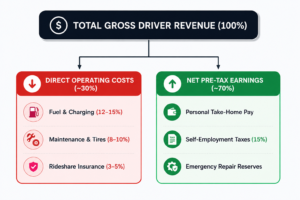
Earning high gross income on driving apps is only half the battle; real success comes down to protecting your net profit after factoring in fuel, maintenance, insurance, and taxes.
1. Master Strategic “Multi-Apping”
Relying on a single platform creates unpaid idle time. Experienced gig workers run complementary apps simultaneously (e.g., Uber + Lyft for rideshare, or DoorDash + Uber Eats for food).
-
Keep both apps online while waiting.
-
Accept the most profitable request that comes through.
-
Immediately pause the other app to avoid hurting your acceptance metrics.
2. Track Every Single Business Mile
As an independent contractor (1099 classification), vehicle wear and mileage are tax-deductible. Use dedicated GPS mileage trackers (like MileIQ, Gridwise, or Everlance) to record every mile driven while online. Taking the standard IRS mileage deduction significantly reduces your annual taxable income.
3. Target Peak-Demand Windows
Driving during dead afternoon hours burns fuel while generating minimal fares. Concentrate your driving hours when platform demand peaks:
-
Meal Delivery: Lunch (11:30 AM – 1:30 PM) and Dinner (5:30 PM – 9:00 PM).
-
Passenger Rideshare: Morning commute (6:30 AM – 9:00 AM), weekend evenings (Friday/Saturday 8:00 PM – 2:30 AM), and airport rush hours.
-
Retail & Heavy Hauling: Saturday and Sunday mornings when people tackle home renovations and retail shopping.
4. Upgrade to Rideshare-Specific Auto Insurance
Standard personal auto policies generally exclude coverage when your app is switched on and you are waiting for a ride dispatch. Contact your insurer to add a Rideshare Insurance Endorsement (typically adding $15 – $30 per month). This protects you from catastrophic out-of-pocket liability should an accident occur while logged into gig platforms.
Frequently Asked Questions (FAQ)
Can I drive for multiple apps at the same time?
Yes. As an independent contractor, you have the legal right to work across multiple platforms. However, ensure you do not accept overlapping active trips with passengers from different apps at the same time, as this leads to customer complaints and account deactivation.
Which driving app pays the most?
Heavy hauling and moving platforms like GoShare ($35–$70+/hr) and Lugg offer the highest hourly rates, followed by specialized youth transport apps like HopSkipDrive ($25–$40/hr). For standard passenger cars, large grocery batches on Instacart and multi-app ridesharing offer the most consistent high-volume returns.
How old does my car need to be?
Vehicle age requirements vary by platform category:
-
Passenger Rideshare (Uber/Lyft): Typically 15 years old or newer, 4 doors, in clean aesthetic condition.
-
Food Delivery (DoorDash/Uber Eats): Highly lenient; almost any road-worthy vehicle (even older models) is approved.
-
Car Sharing (Turo): Vehicles must be 12 years old or newer with under 130,000 miles and a clean title.
About Author

